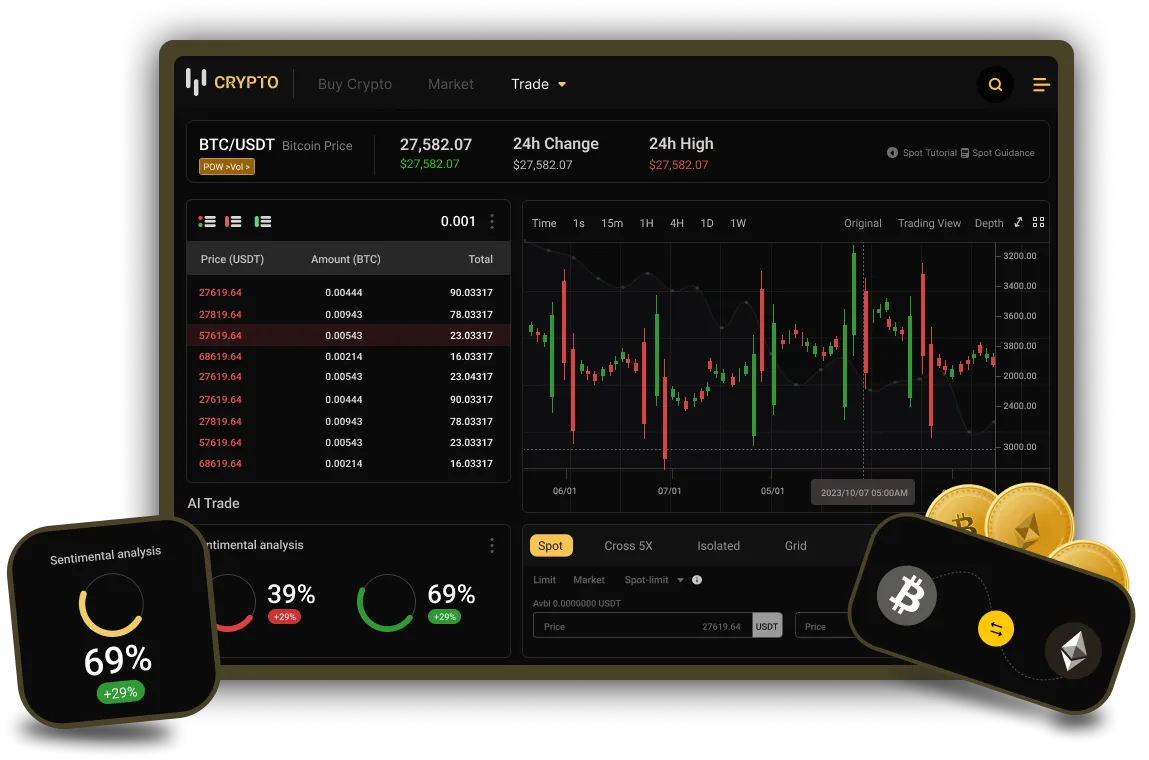
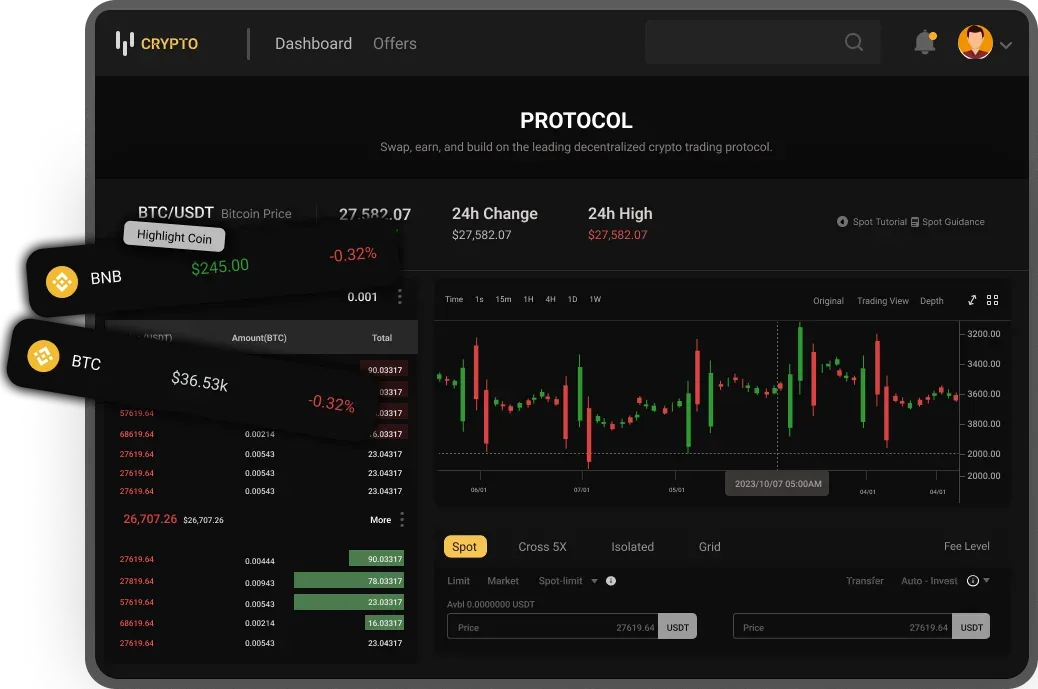
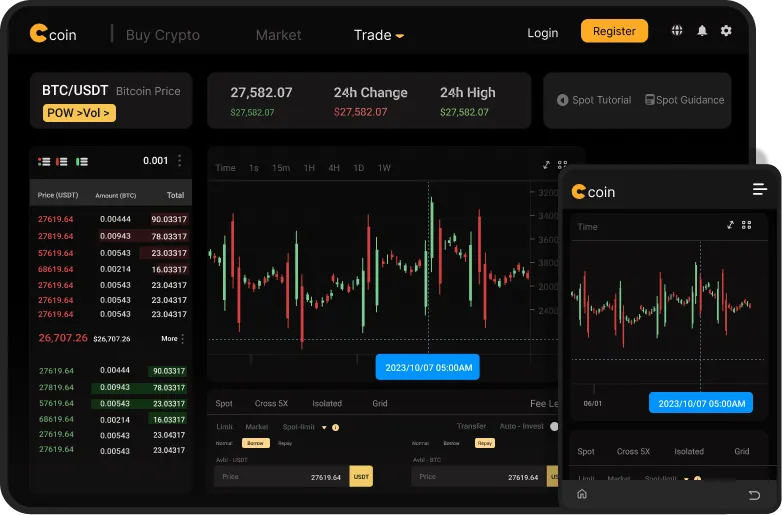
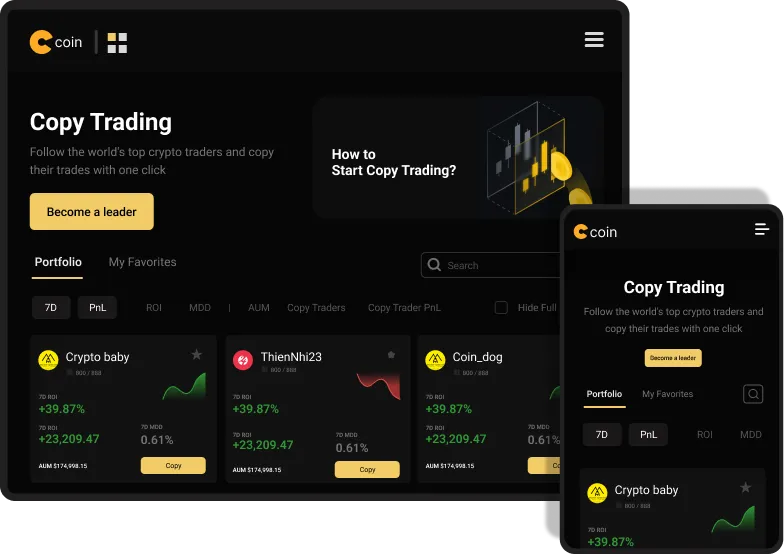
Hybrid Crypto Exchange Development Company

Join forces with Maticz, the top software solution provider for hybrid crypto exchanges to launch your crypto exchange business. Choose from the top hybrid cryptocurrency exchange development options available in the market tailored to your budget and business needs.

Your Technology Partner For

Hybrid Crypto Exchange Development

Hybrid exchanges have an adaptable architecture that makes integration with dApps and developing blockchain technologies easy. This makes it a great time for startups or established organizations to launch a hybrid crypto exchange from scratch.

Maticz is the leading hybrid crypto exchange development company in developing ultra-fast and military-grade hybrid crypto exchange platforms. You can take advantage of our in-depth domain knowledge, technical proficiency, and blockchain expertise to get complete development and consulting services to set up a hybrid exchange.

We offer a comprehensive range of hybrid crypto exchange development services, including user interface design, trading engine development, architecture design, security implementation, and integration with different blockchain networks. Work with us to create an affordable, scalable, secure hybrid cryptocurrency exchange software that can be customized.

50 +

Countries

450 +

Projects Delivered

500 +

Total Projects

Hybrid crypto exchanges are fresh kinds of exchange platforms that are introduced to fill the void left by centralized and decentralized exchanges. They aim to provide the best of both worlds, by addressing each system’s shortcomings.

Centralized exchanges are operated on a central server which offers high liquidity, fast trade execution, and user-friendly interfaces. However, they bring up security issues (exchange hacks) and the loss of user control over assets (users don’t get to hold their private keys).

On the other hand, Decentralized exchanges operate on peer-to-peer networks, eliminating the need for intermediaries. Enhancing security, users maintain control over their private keys and assets in blockchain wallets. Yet, DEXs need help with reduced liquidity and lower transaction speeds.

Hybrid crypto exchanges provide users with enhanced security, liquidity, and asset control by combining the advantages of both CEXs and DEXs. On the whole, It offers users a safer, adaptable, transparent, and intuitive trading environment.

Get Quote

Insights

What is a Hybrid Crypto Exchange

Key Reasons

The emergence of hybrid cryptocurrency exchanges could be attributed to the following possible trends and factors

  • Cashflow: While preserving user control over their private keys, hybrid exchanges could benefit from enhanced liquidity provided by centralized order books leveraged from CEXs.
  • Security: Hybrid exchanges incorporate decentralized technologies to give users more control over their assets while still taking advantage of the Centralized exchange platform’s liquidity.
  • Cross-chain Trading: Cross-chain trading enables users to exchange across various blockchain networks and is supported by hybrid exchanges, which enhances overall exchange utility.
  • Smart Contracts Integration: By incorporating smart contract features from DEX, users can take advantage of CEX’s liquidity pools while executing more sophisticated trading strategies.
  • Token Utility: With features like lower trading costs, access to premium features, and governance involvement, the exchange’s native token plays the main role in the hybrid model.
  • Interoperability: Hybrid exchanges may prioritize interoperability to accommodate the evolving complexity of blockchain space, enabling users to engage with different blockchain networks comfortably.
  • Regulatory Compliance: Exchanges could implement features that stick to local regulations while preserving certain decentralized attributes by implementing hybrid models is crucial.
  • Community Governance: Certain hybrid exchanges may employ community-driven governance models, enabling users to engage in decision-making, and improving trust and transparency.

Maticz, a seasoned cryptocurrency exchange solution provider, provides flexible hybrid crypto exchange software that satisfies the needs of our client’s requirements. It is only intended for users who require the advantages of both decentralized and centralized exchanges. Maticz has a proven track record of offering the best blockchain and cryptocurrency solutions worldwide, making us the obvious choice for developing a hybrid cryptocurrency exchange. We provide specialized white-label crypto exchange solutions with distinctive features, scalability, and security that match your particular needs and business objectives.

Maticz provides the fastest and safest hybrid crypto exchange software to buy, sell, trade, and earn crypto. It is one of the modern cryptocurrency exchange solutions with a super-fast matching and trading engine capable of one hundred thousand transactions per second. Maticz’s hybrid crypto exchange platform is a fully customizable software solution packed with market-pulling features and functionalities such as high liquidity, quick transaction times, user-friendly interface, improved security, and efficient asset management.

Get Quote

White-Label

Hybrid Crypto Exchange Software

Success Stories

Discover how our white-label solutions solved real-time latency and liquidity challenges for the industry's fastest-growing hybrid platforms.

Scaling High-Frequency Order Matching with On-Chain Settlement

Problem: A growing financial startup faced severe latency and throughput issues.

Solution: We implemented a Hybrid Architecture featuring an off-chain Order Management System (OMS) built on a high-performance engine.

Outcome: The platform successfully scaled to handle over 10,000 TPS with sub-millisecond matching latency.

Cross-Chain Liquidity Aggregation and Asset Interoperability

Problem: A multi-asset exchange struggled with fragmented liquidity across different blockchain networks.

Solution: We integrated a Cross-Chain Liquidity Aggregator using the LayerZero protocol and Atomic Swaps.

Outcome: The exchange eliminated the need for external bridges, reducing user transaction costs by 65%.

Salient

A hybrid crypto exchange software is made up by combining both centralized and decentralized exchanges to provide users with an extensive trading experience. Let’s explore the salient features below

Get Quote
1.

User-friendly Interface

The goal of the hybrid exchange is to offer a simple interface for both new and seasoned traders. To improve the trading experience, a user profile provides options like order types, charting tools, real-time market data, and customizable settings.

2.

Centralized Order Matching

Buy and sell orders are processed and matched on a central server in hybrid exchanges’s central order matching system. This guarantees liquidity and a seamless trading experience by enabling quicker and more effective order execution.

3.

Decentralized Asset Management

To improve security, hybrid exchanges use decentralized asset storage solutions like blockchain-based wallets. Users can safely store their cryptocurrency in their wallets and maintain control over their private keys which lowers the risks and theft over the centralized server.

4.

Peer-to-Peer Trading

Peer-to-peer trading is often supported by hybrid crypto exchanges enabling users to transact directly with one another. Without depending solely on the order book, this feature allows users to engage directly, negotiate prices, and execute trades.

5.

Regulatory Compliance

Hybrid crypto exchanges work hard to comply with regulations and implement Know Your Customer (KYC) protocols. This facilitates adherence to financial regulations including anti-money laundering mechanisms, thereby fostering a more secure trading environment.

6.

Multi-Currency Support

With the integration of multi-currency support in hybrid exchanges, users can deposit, withdraw, and trade cryptocurrencies directly with conventional currencies like USD, CAD, AUD, and other national currencies. User convenience and accessibility are enhanced by this feature.
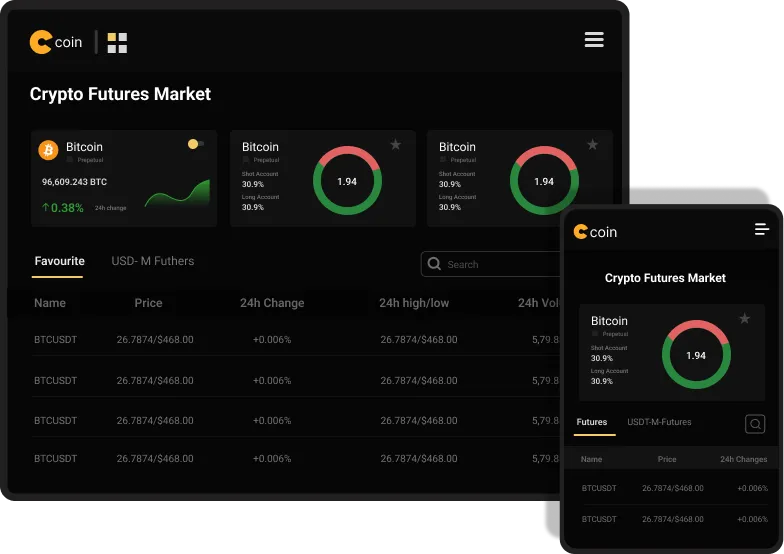

It goes through multiple phases to ensure that our hybrid crypto exchange software is dynamic, feature-rich, and highly productive. Now, let’s explore a series of steps involved in the development process.

Planning

Firstly, we understand your needs and define your target market. We develop a project plan that determines the key features and functionalities you want to include in the hybrid exchange after exploring the existing crypto exchanges. This phase ensures that the final result meets your expectations and demands.

Design

Next, we design the user interface that is combined with both centralized and decentralized components. These interfaces are designed for account management, trading tools, analysis, and other functionalities. We aim to create software that is visually appealing, easy to use, and allows people to trade without obstacles.

Development

This phase includes the development of a trading engine, user authentication panels, payment gateway, order matching, and other security features. For external integrations like price feeds, wallet-linking services, and blockchain networks, we implement the required APIs and liquidity providers.

Testing and Quality Control

Every feature from placing orders to managing accounts is thoroughly tested. Any problems or bugs that are noticed are fixed in this testing phase. Load testing is performed to make sure that the exchange platform can manage loads. Security audits and penetration testing are performed to fix the vulnerabilities.

Deployment

The fifth step is deployment, which is setting up your platform in a live environment. Our skilled experts make sure the platform is set up properly and performs as it should. This phase is vital to ensure the dependability, scalability, and high availability of your platform. We have a trained testing team to perform all this.

Post Launch Support

We keep an eye on the hybrid cryptocurrency exchange platform’s scalability, security, and performance. Additionally, we maintain email queues, mailbox databases, syncing procedures, server resources, and network connectivity. We provide upgrades and platform updates when needed.

Step-by-Step

Hybrid Crypto Exchange Software Development Process

Top-notch

The strengths of both centralized and decentralized crypto exchange are combined in hybrid crypto exchange. Let’s see the benefits leveraged by it in detail.

Get Quote

Monetization Opportunities

The charging of listing fees, withdrawal fees, transaction fees, and premium services such as yield farming, lending, staking, and other features are some of the ways to earn money in hybrid crypto exchanges.

Increased Security

Our hybrid crypto exchange puts security first by placing robust security measures and performing regular security audits. To reduce the danger of theft and risks and safeguard assets, we combine centralized and decentralized systems.

Scalability

To manage multiple concurrent users and trading activities, our hybrid exchange maintains a high priority on scalability on performance. Our trading engines are optimized and our network is strong to ensure quick order execution and reduce downtime.

High Performance

The hybrid exchange offers dependable and quick trading services. High-frequency trading systems and scalable networks are two examples of cutting-edge technologies that hybrid exchanges use to manage and maintain a seamless trading experience.

Quicker Transactions

Fast trade execution is made possible by centralized order-matching machines, which guarantee timely transactions even during peak times. Moreover, a decentralized system improves transaction speed and efficiency ensuring safety and transparency.

Liquidity

Centralized books offer liquidity that hybrid exchanges apply to give traders access to a large number of trading pairs at competitive prices. Further, automated market-making systems and decentralized liquidity pools help maintain liquidity during times of high volatility and lower trading volumes.

Depending upon the complexity of the project, software development process, time consumption, and the integration of multiple extra features and functionalities, the cost of setting up a hybrid cryptocurrency exchange software can extend from thousands to millions of dollars.

However, a readymade or introductory crypto exchange software can cost $10,000, and including extra features can bring up to millions of dollars according to the customization. It typically costs between $20,000 and $75,000 to develop a hybrid crypto-exchange platform from scratch. After confirming the project, we can provide you with a more detailed quote.

Insights

Get Quote
Best Hybrid Cryptocurrency Exchange Development Company

Best Hybrid Cryptocurrency Exchange Development Company


Maticz is the best hybrid cryptocurrency exchange development company that offers exceptional crypto exchange development services with top blockchain specialists, crypto exchange experts, and dApp developers. We endeavor to bring out only the best hybrid crypto exchange solutions that give you thriving success.

We have a competent team of blockchain developers, software artisans, and cryptocurrency experts to employ cutting-edge tools and technologies to build an adaptable cryptocurrency exchange platform and offer unassailable support after the product launch.

Within your specified time frame and budget, our team can design and employ hybrid crypto exchange software of any caliber, ranging from a simple to a sophisticated platform. We have a great deal of experience in providing best-in-class hybrid crypto exchange software to global clients. Team up with the best crypto exchange development team to conquer the trading world.

No. of Clients

200+

Delivered Projects

250+

No. of Employees

75+
Get Quote
FAQ FAQ

FAQ

Connect with our experts for detailed technical consultation.

FAQ

A hybrid exchange (HEX) is a platform that merges the liquidity and speed of centralized exchanges (CEX) with the security and self-custody of decentralized exchanges (DEX). It typically handles order matching off-chain for near-instant execution while keeping asset settlement on-chain via smart contracts to ensure users retain control of their private keys.

Unlike a CEX, which holds your assets in its own "omnibus" account, a hybrid exchange uses non-custodial asset management. Users deposit funds into a smart contract or "vault" that they alone control. Even if the exchange's matching engine goes offline, users can often withdraw their funds directly from the blockchain using an emergency exit mode.

Yes. To attract institutional investors and operate legally in most jurisdictions (like the US, Dubai, or India), hybrid exchanges must implement (Know Your Customer) and AML (Anti-Money Laundering) systems. This regulatory readiness is a major advantage over pure DEXs for startups looking to scale globally.

Development costs generally range from $80,000 to $300,000 , depending on the complexity of the features, the blockchain network chosen, and whether you use a white-label solution or build from scratch. Ongoing maintenance, security audits, and liquidity integration also contribute to the total investment.

Hybrid exchanges often use liquidity aggregation, pulling from both centralized order books and decentralized liquidity pools (AMMs). They may also partner with external market makers or use "order book merging" to ensure deep liquidity and narrow spreads for traders from day one.

Depending on the level of customization, a simple platform can take 3 to 6 months to develop. More complex systems with advanced trading tools, multi-chain support, and institutional-grade security features may take a year or longer to test and deploy fully.

Owners generate revenue through several channels:

  • >Trading Fees : A small percentage (typically 0.1% to 1%) of every transaction.
  • > Listing Fees : Charging projects to list their tokens on your platform.
  • > Withdrawal Fees: Charged when users move funds to external wallets.
  • > Value-Added Services : Offering staking, margin trading, or lending modules.

Yes. Most modern hybrid development solutions include Fiat On/Off ramps , allowing users to trade traditional currencies (USD, EUR) directly for crypto. Additionally, cross-chain integration (using protocols like LayerZero or Wormhole) allows the exchange to support assets from different blockchains like Ethereum, Solana, and BNB Chain on a single interface.

Have a Project Idea?
Discuss With Us

job